
Chris Smith once sat alone in a prison cell, believing he could never turn his life around. Today, he sits alongside the governor, creating a playbook to help inmates successfully reenter society and escape the very lifestyle he left behind.
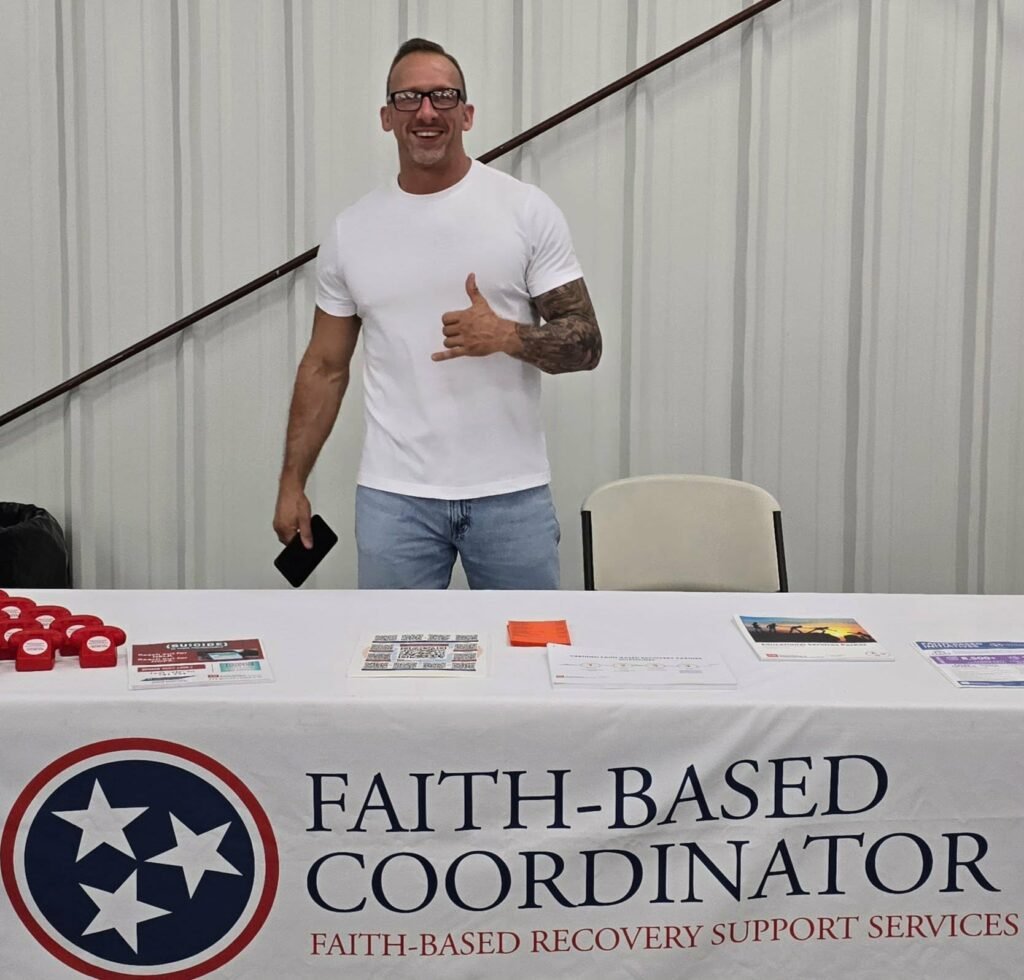
Smith is part of the Governor’s Advisory Council for justice-involved individuals, which focuses on mentorship and removing barriers for those returning from incarceration.
“I don’t believe that the pinnacle of a community or communities can be reached until the needs of the most underserved and underprivileged are met,” Smith said.
At 17, Smith fell into a life of crime and addiction.
“I was introduced to methamphetamines and opiates together,” he explained. “I found myself right in the middle of the criminal justice system right when I turned 18.”
By 20, Smith found himself in prison.
Years of addiction, overdoses, and homelessness followed.
With multiple felonies, Smith was a range two offender cycling through a system that seemed designed to keep pulling him back down.
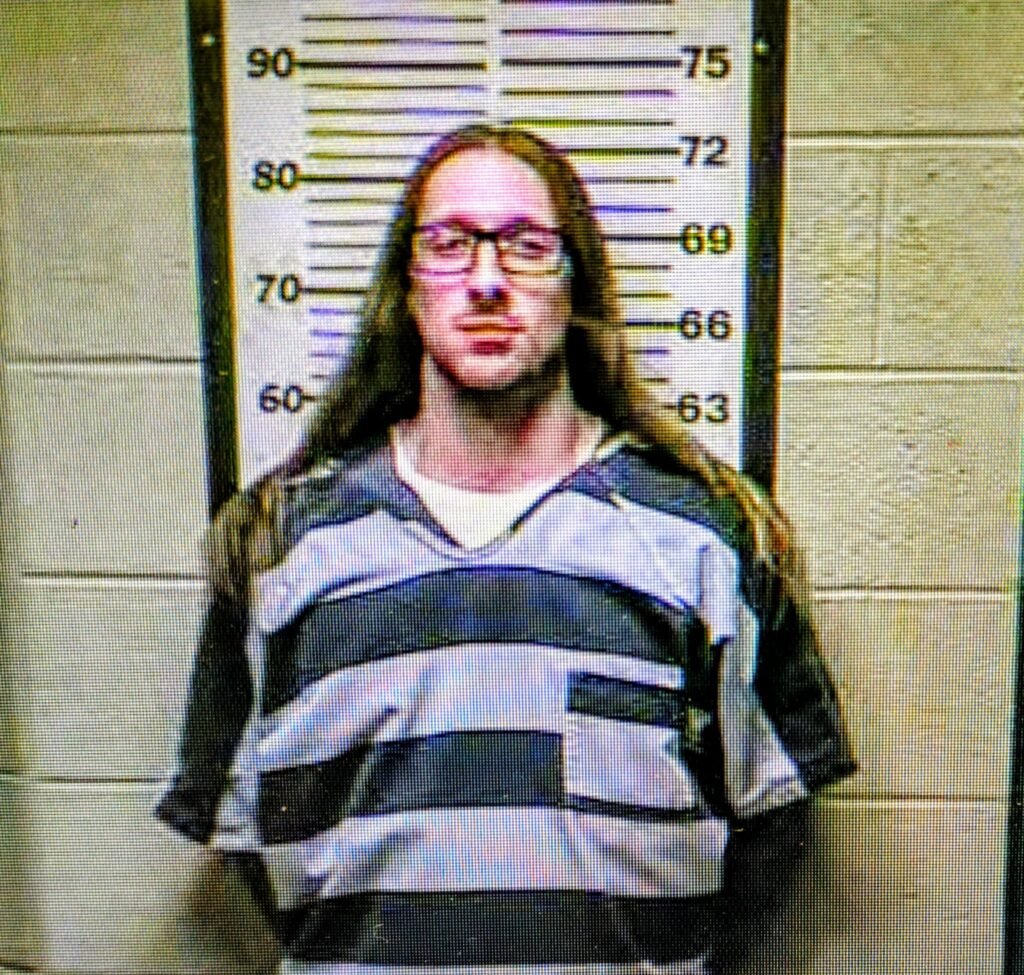
“There were several times when I was incarcerated or at a rehab that I wanted to change,” he explained. “I meant it. I did. But the thing that I ran into that I was never prepared for was that I was always in the bubbles of the system or rehab, and when I got out and returned back to my community, I did not know what step to take.”
Every time he got out and back home, Smith found himself in a world that didn’t slow down.
“As I was contemplating what steps I should take, the world hadn’t stopped. It was coming at me 100 miles an hour, and I wasn’t prepared for that,” he recalled. “All these things just kept on stacking on top of me as I’m trying to figure out how to stay sober and garner some resources for myself. I couldn’t do it. I just became overwhelmed, and would just revert back to the thing that I really didn’t want to revert back to, but was all that I knew.”
The greatest challenge for inmates after release is avoiding the same environment that led to incarceration in the first place.
“If an individual is returning back in their community from treatment or prison, they don’t have the necessary means to secure housing in a different location from the environment from which they left,” he explained. “And so what that does is just it places them right back into the mud. And no matter how still you sit in a mud puddle, if everyone else is dancing around in it, you’re going to get the mud on you.”
After being released on parole from a 16-year sentence, Smith found himself slipping back into the mud.
He’d nearly given up.
Then he ran into someone who showed him that change was, indeed, possible.
The Turning Point
Before his parole release, Smith recalled a moment when he sat quietly alone in his prison cell one day.
A fellow inmate was brought in—an old friend of Smith’s. The two continued to sit in silence together.
“Man, Chris, I’m going to change my life,” he said, breaking the silence.
Smith chuckled to himself.
He had heard it before. In fact, by then, Smith uttered those same words countless times, and every attempt at change ended in failure.
“Well, good luck,” Smith told him.
The man got out of prison 18 months before Smith.
While Smith grappled with addiction and facing parole violation after his own release, he encountered his former cellmate, and noticed something.
“He didn’t have to say anything,” Smith said. “Just by his demeanor, I knew something was different about him. And when we talked, I could tell that he had actually changed his life, and that’s what I needed.”
Smith’s Recovery Journey
Seeing his former cellmate’s transformation gave Smith a newfound sense of hope.
He entered into a treatment program in Columbia, Tennessee. That’s where he said it finally “clicked.”
“I told myself, this has to be it. It’s either now or never,” he recalled.
“I needed to play the tape of why do I go get high?” Smith added. “I needed to see how difficult my recovery journey was going to be; the nos, the rejections, the doubt, the discouragement, the setbacks, the mistakes, the difficulty in looking for employment, all the things, right? I needed to play that tape through, and then at the end of it, still see me standing there saying, ‘Sign me up.'”
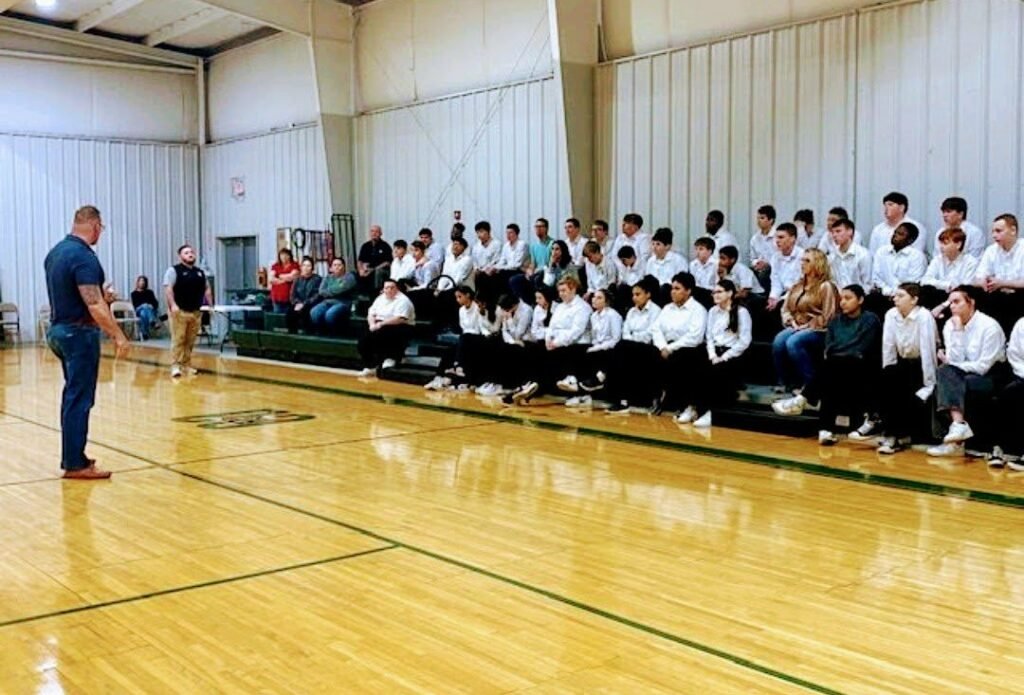
“I just wanted to see how much potential I had if I just kept going,” he added.
At the end of the four-month program, Smith asked to stay longer. Then he asked again. And again.
He stayed two years.
At 38, he got his driver’s license for the first time in his life, and later graduated college with a degree in Social Work.
Smith finally returned home, and was surprised by the reaction.
“There were people in this community when they heard that I was really trying and doing well, that they really wrapped their arms around me and supported me,” Smith said. “And it meant the world to me.”
The same officers who once arrested him became mentors.
At the Helm
Today, Smith’s work on the Governor’s Advisory Council for justice-involved individuals is just the beginning.
He’s also a board member for NAMI in Obion and Dyer Counties, serves on Gibson County’s Opiate Abatement Council, and works as chief growth strategist at Alliance Housing, a long-term faith-based facility serving those with substance use issues.
He regularly travels to states like Texas, Ohio, Kentucky, Florida, and Mississippi, sharing his story and advocating for systemic change.
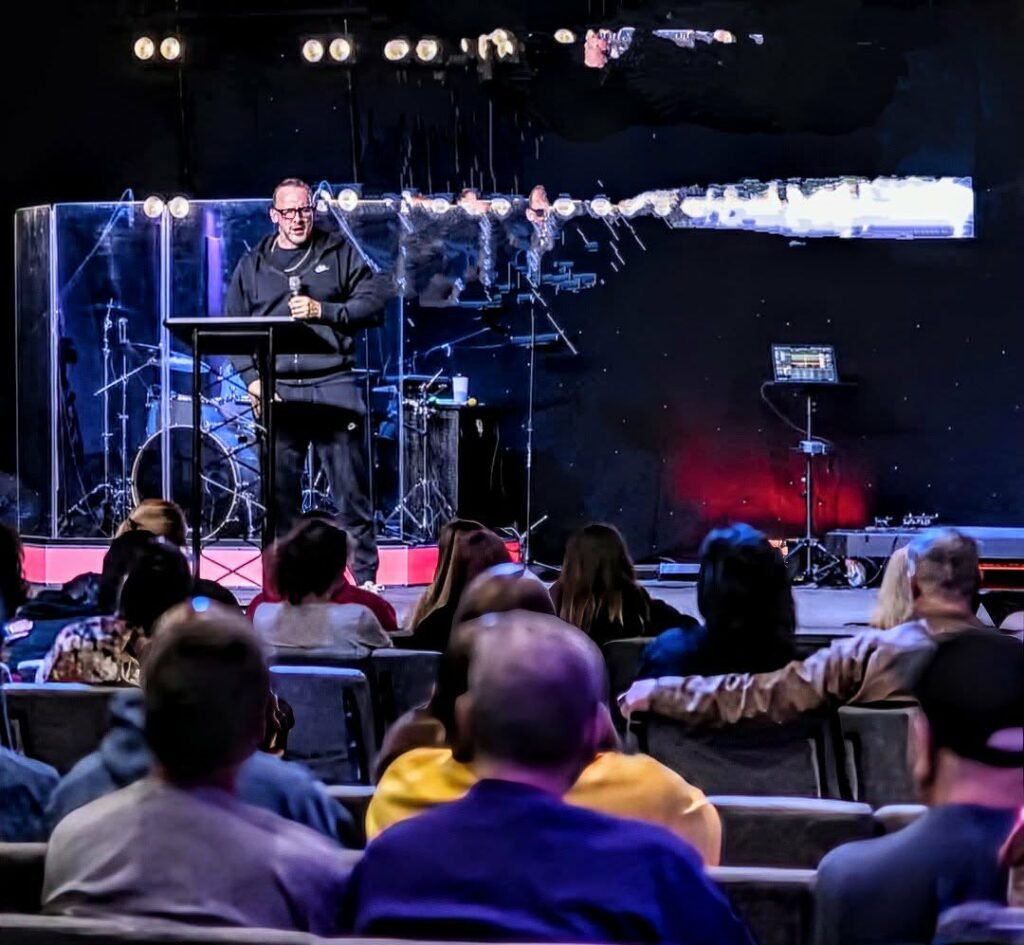
“It’s not the system that’s broken,” Smith clarified. “It’s who is at the helm of the system.”
“The system did help me, but I chose to navigate that myself,” he added.
Smith believes that putting people with experiences like his at the forefront is critical to any reentry program’s success.
“I advocate for more successful lived experience. Individuals who have returned to their community and found success and have navigated that system can bring successful changes within the community,” he said.
That philosophy is shaping the playbook the advisory council is developing.
“Somebody that has successfully overcome all those barriers in their community says, ‘Hey, I get it, I understand. I’ve been there, but you can walk through this and let me show you what I did,'” Smith explained.
Those barriers, he explained, include housing, transportation, education, and employment.
“Housing is definitely one of the biggest needs,” he said. “We need them desperately, and especially in rural areas.”
That’s why, with partners, he’s opening sober living homes.
Smith hopes to open a sober living home in Obion County by early March, and plans for additional locations in Henry and Weakley Counties.
“Recovery is not really just about getting off the drugs,” he says. “It’s about managing your life and improving it day by day in all aspects, while not using anything. And so when I took that perspective [in my own life], I realized that I always have room to improve, something to learn, and room to grow.”
“If we take the time to look at our life, really look at it, and see what our problems are, and compare them to somebody else’s, then we see that we have it good,” he added. “And if we see that we have it that good, then why can’t we pass that goodness on to somebody else and take the time out of our life to make sure somebody has the opportunity—at least the opportunity—of trying to live their best life?”
