
CARROLL COUNTY, Tenn. — After two Kenwood Middle School students, Zoe Davis and Arianna Pearson, lost their lives and many more were injured after their school bus collided with a state dump truck on Highway 70 last Friday, an old debate reignited: should seatbelts be required on school buses?
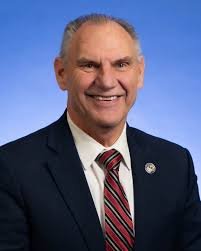
In response, Republican Senator Mark Pody (District 17, Davidson and Wilson Counties) is preparing legislation for the next session that would require seatbelts on school buses and mandate lane-keeping assist technology, which includes cameras that detect lane markings and can automatically steer, brake, or alert drivers to prevent drifting.
The proposal has drawn bipartisan support, including from Democratic Rep. Ronnie Glynn of Clarksville.
Cost has historically been the main obstacle to seatbelt requirements; a 2017 bill died without becoming law. Pody has acknowledged the price tag may force a phased approach, potentially limiting any retrofit requirement to new buses going forward.
The topic of seatbelts on school buses has been debated off and on for many years.
Those in favor of seatbelts on buses say belts keep children contained in the event of an accident. Advocates also point out that cars have required them for decades, and there’s no logical reason school buses, which carry the most vulnerable passengers, should be exempt.
On the other side, the National Highway Traffic Safety Administration itself has long maintained that “compartmentalization”, the engineering of padded, energy-absorbing seats packed closely together, already provides strong passive protection, and that adding seatbelts to large buses offers marginal safety gains while introducing new risks, like children being trapped by a belt in a fire or flood, or simply not buckling correctly and creating a false sense of security.
Separately, a civil damages bill Pody co-sponsors is moving toward a final vote.
SB 0419 would increase the cap on noneconomic damages a civil plaintiff can receive from $750,000 to $1.5 million, and from $1 million to $2 million in cases involving catastrophic injuries.
The House passed its version of the bill on March 26. It was placed on the Senate calendar for March 30, then reset for an April 2 vote.
Tennessee’s current cap on noneconomic damages, which covers pain and suffering, emotional distress, and loss of consortium, has been unchanged since 2011.
