

CARROLL COUNTY, Tenn. — When David Marlin posted photos Saturday afternoon of a black bear standing at the edge of a cornfield, captioned “Look out no joke,” word spread fast.
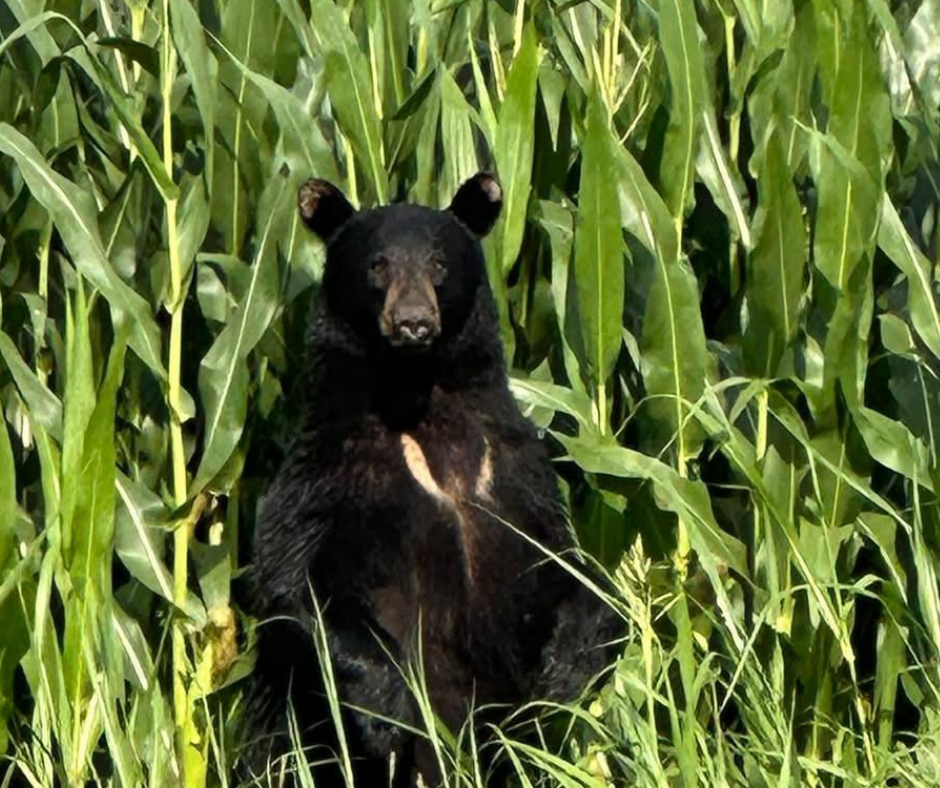
The images, taken near the Carroll and Henderson County line on July 4, quickly made the rounds on social media. But not everyone was convinced.
Several commenters questioned whether the photos were real, with some suggesting they looked AI-generated rather than an actual wildlife encounter in West Tennessee, where bear sightings remain rare enough to raise eyebrows.
The skepticism didn’t last long. The Tennessee Wildlife Resources Agency confirmed the sighting, noting that West Tennessee bear reports, while unusual, are not unheard of . The agency typically sees a jump in bear-related calls every summer as the animals range widely across the state.
TWRA explained that black bears travel long distances in search of food, water, and shelter, and that last year alone the agency logged sightings in multiple locations statewide.
Officials described the trend as part of a broader recovery. After populations bottomed out roughly 75 years ago, Tennessee’s black bears are steadily reclaiming territory beyond their East Tennessee stronghold. The agency has framed this as a conservation success story.
Once a report comes in, TWRA officers and biologists assess the animal to determine whether it’s simply passing through or showing signs of becoming a nuisance. The agency also cautioned that when a bear turns up somewhere unusual, like West Tennessee, media coverage and social sharing of its exact location can draw curious onlookers, which can end up putting both people and the bear at risk.
TWRA’s message to residents is to give the animal space. Left alone, a wandering bear will typically move on naturally.
What to Do If You Spot a Bear
TWRA points to guidance from BearWise, a bear-safety education program, for reducing the odds of an unwanted encounter:
- Never follow a black bear or approach it for photos.
- Don’t intentionally feed bears, and secure common unintentional attractants — trash, bird feeders, pet food left outside, greasy grills, and unpicked garden produce.
- Store food, garbage, recycling, and grills where bears and other wildlife can’t get to them.
- Let neighbors know if there’s been bear activity nearby, and make some noise when heading outside to announce your presence.
Officials emphasized that simply seeing a bear isn’t cause for alarm. Bears tend to flee at loud noises or the sight of people waving their arms, and keeping a calm distance is usually enough to avoid any conflict.
More tips on coexisting with bears are available at bearwise.org.
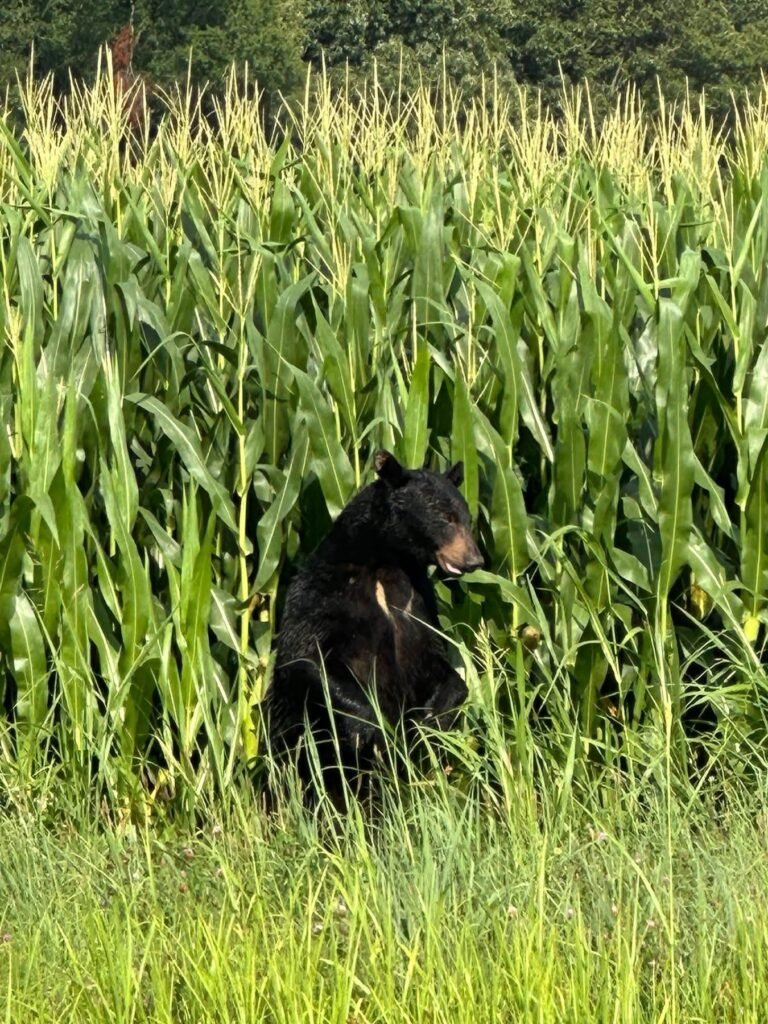
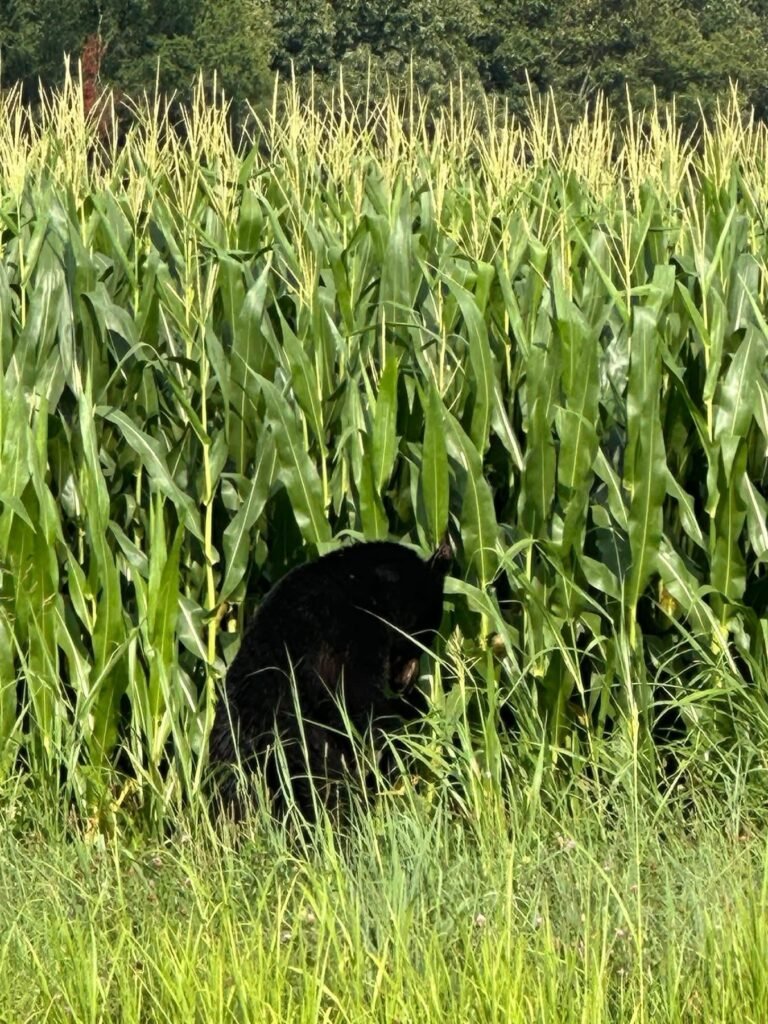
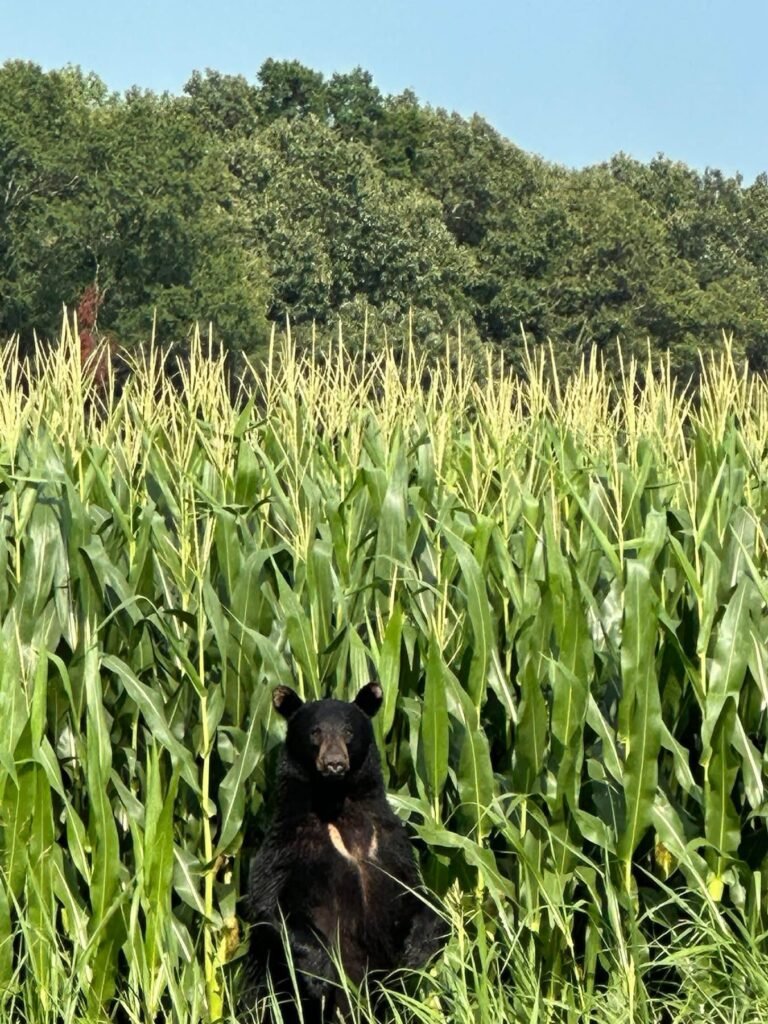
Photos by David Marlin

Interesting.. this SAME PHOTO has made it to several counties w SAME claim.. yelling “wolf” will cause a problem… and this is not a black bear but a sun bear