
NASHVILLE — State Senator John Stevens didn’t mince words Tuesday afternoon.
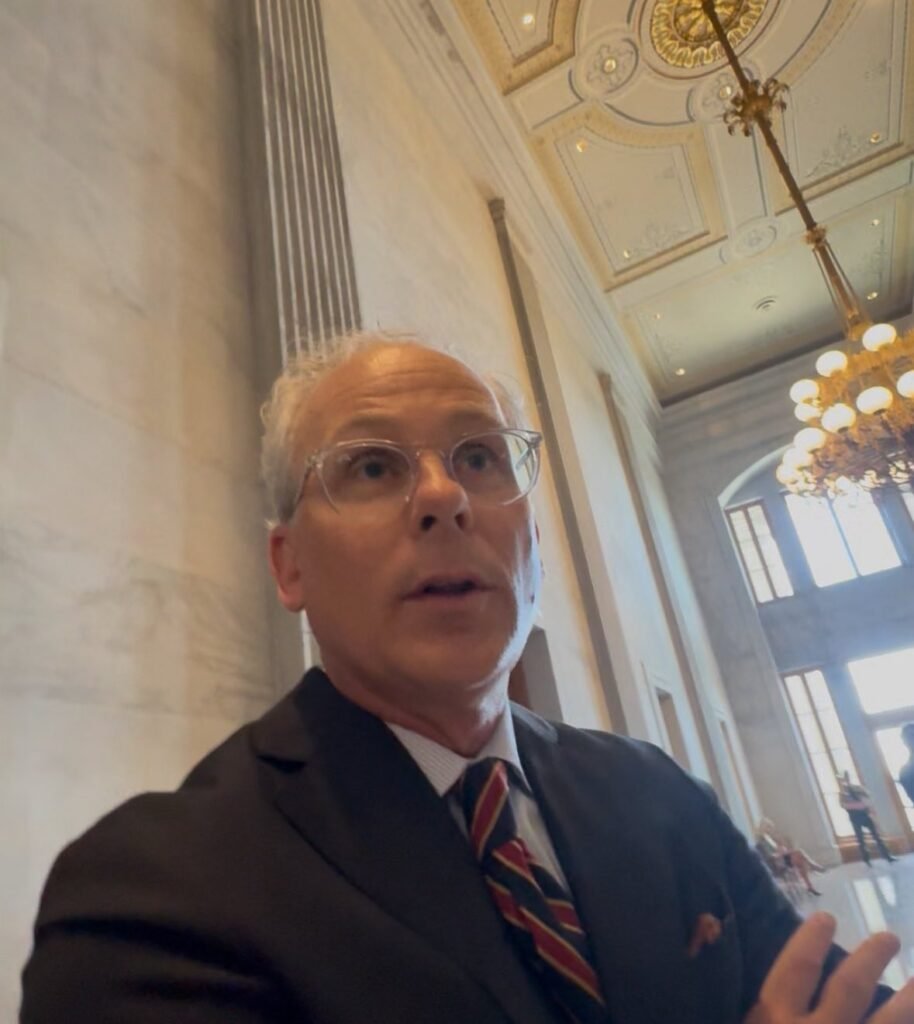
Carroll County Observer caught up with him inside the Capitol rotunda as lawmakers gathered for a special session on congressional redistricting.
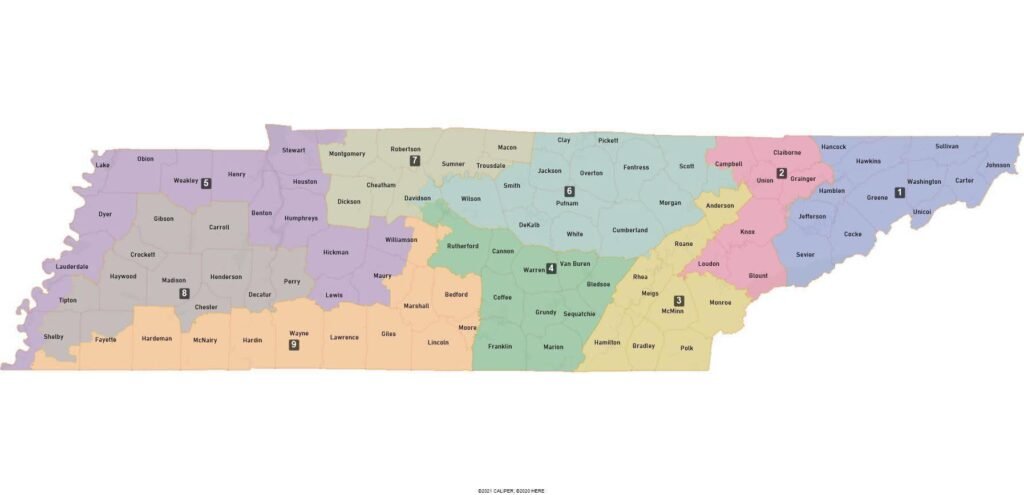
Stevens represents state senate District 24, which includes Carroll, Henry, Weakley, Gibson, Benton, Obion, Houston, and Stewart Counties. The Observer asked a simple question: how does this benefit the people of District 24?
“It benefits us by having a Republican-controlled Congress,” Stevens said. “Tax cuts, lower regulations, everything that District 24 votes for consistently.”
When pressed on whether District 24 didn’t already have that Republican representation in Washington, Stevens acknowledged it did, but said that wasn’t the point.
“We are part of a bigger pie,” he said. “There are 436 members of Congress. We need as many Republicans as possible, and that’s what this is all about.”
Stevens is co-prime sponsor of the Senate companion bill to House Bill 7003, filed by House Speaker Cameron Sexton and carried in the Senate by Majority Leader Jack Johnson.
The session itself was triggered by a U.S. Supreme Court ruling that struck down a majority-Black congressional district in Louisiana, finding the map had relied too heavily on race, effectively clearing the path for states to break up minority-majority districts.
U.S. Sen. Marsha Blackburn, who is running for governor, quickly and publicly called on Tennessee lawmakers to seize the moment, saying redistricting would help “cement a Republican majority” in Washington.
President Trump followed with a social media post urging Republican-controlled states to act, claiming the party could gain as many as 20 House seats nationally. He then called Gov. Bill Lee directly. Lee announced the special session on May 1.
Asked how he reconciles the perception that this session was driven from Washington rather than from Tennessee’s autonomy, Stevens said, “That’s a procedure question. The reality is we are here to ensure a Republican majority in Congress.”
He went further, invoking the threat of impeachment.
“This keeps Donald Trump from being impeached repeatedly by the Democrats if they take control,” Stevens said. “We’re fighting against Democrat control of Congress.”
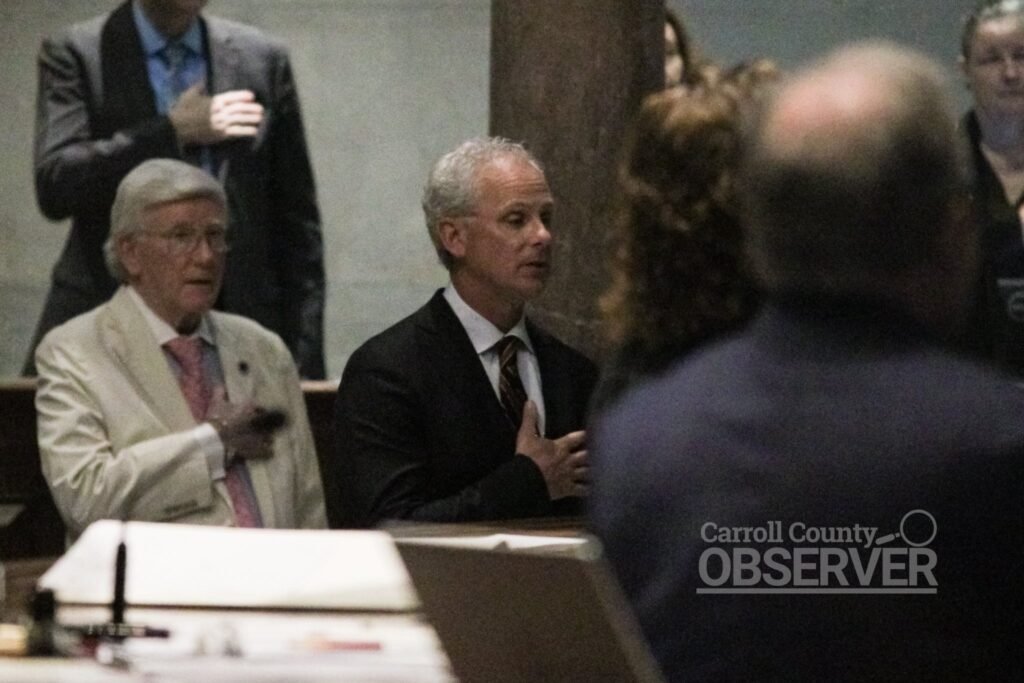
When this reporter suggested that under his own reasoning, voters were being used as tools to a political end rather than being represented, Stevens pointed again to Trump’s margin in his district.
“District 24 voted more than 70% for Donald Trump,” he said. “My voters voted for Republicans. They want Republicans in Congress. They want Republican control of Congress. I’m doing my job to help them get the support they need.”
He justified the mid-decade, mid-election redistricting effort by pointing to Democratic redistricting in other states. In Virginia in particular, he said a Democratic governor redistricted Fairfax County despite campaign promises not to.
“We’re counteracting that,” Stevens said.
Asked whether that logic amounted to two wrongs making a right, Stevens didn’t hesitate.
“Doesn’t matter,” he said. “It’s power. It’s all about who controls Congress.”
Stevens did not say whether anyone in his eight-county district had asked him to sponsor it.