

TREZEVANT, Tenn. — “Looks like we’re in the fireworks business,” said Trezevant Mayor Bobby Blaylock at the town’s regular meeting on Tuesday, March 10.
Trezevant’s board had been discussing a proposed fireworks ordinance since January, and finally concluded the debate.
The new ordinance allows for the use of fireworks within a narrow permitted window: July 1 through July 4, and New Year’s Eve from 8 p.m. to 1 a.m. The town had previously done away with fireworks altogether.
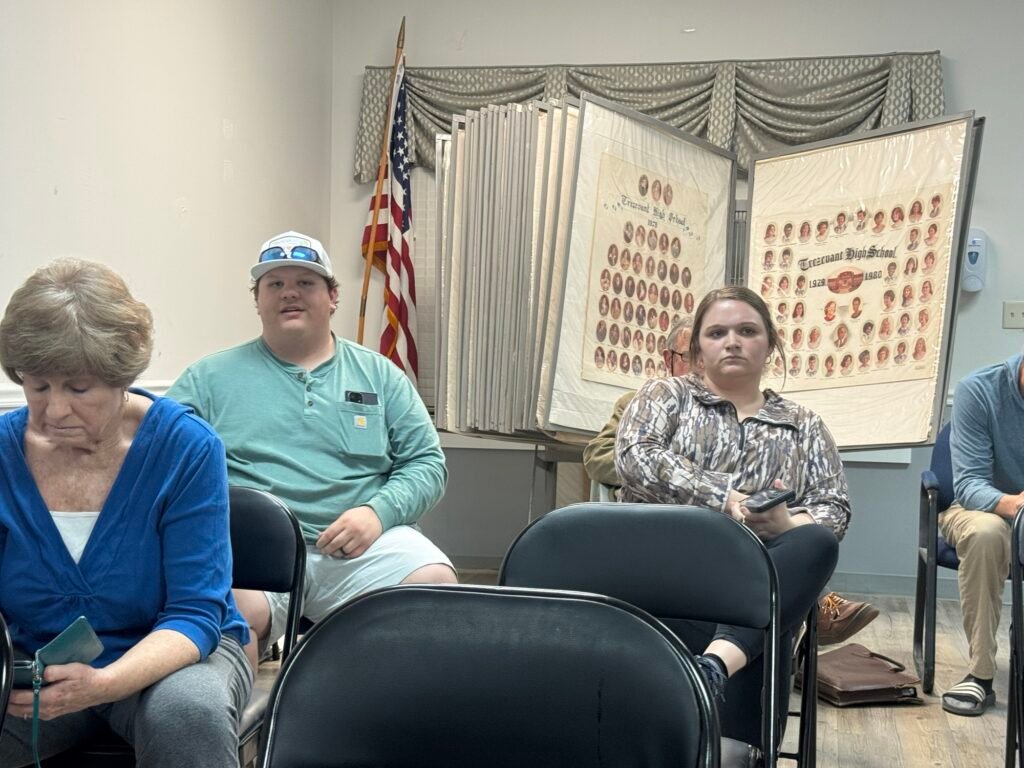
Peyton Lindsey, whose family operated a fireworks stand in McLemoresville for many years, made the case for the change, arguing that the town was losing sales to neighboring communities and could structure a lease arrangement similar to what McKenzie uses.
He also added that potential fireworks vendors could offer the town a discount on fireworks if they chose to have a townwide show.
“You’d saving money. Everyone in the town gets a show. Someone makes money, but they’re also putting in the work,” Lindsey said.
Alderman Dan Dieringer was skeptical at every turn in the discussion.

“Just be ready,” he warned. “It’s human nature. My belief is these windows are not even going to be observed. We’re going to be hearing them all the way through Halloween.”
He also questioned whether the town could generate meaningful revenue.
The permitted sale locations face significant restrictions, such as sellers must operate from a fixed structure or tent, cannot use a mobile unit, must be at least 600 feet from any church, school, or similar facility, and must carry a million-dollar insurance policy.
Given the town’s geography, with the railroad running through and several churches in close proximity, Dieringer questioned whether many compliant sites even existed.
“Throwing the baby out with the bathwater doesn’t work,” he said. “We either decide to enforce it and stay with it or decide whether this will actually help the town.”
Alderman Pam Joyner flagged a specific problem with the penalty language.
As written, the ordinance set a fine of “up to $50,” meaning one violator could be charged $25 and another $50 for the same offense.
“We need to have a set amount,” she said. “That’s not fair.”
Dieringer agreed and went further.
“Fifty bucks is not going to stop somebody that already spent $200 on fireworks,” he said. “To prevent somebody, you’ve got to hurt them.”
The board voted to pass the ordinance with the penalty language amended to a flat $50 fine, removing the “up to” language. Dieringer, who had pushed back at nearly every turn, voted yes with the rest of the board.
