
TREZEVANT, Tenn. — The snowball, as Alderman Dan Dieringer put it, is already rolling down the mountain.
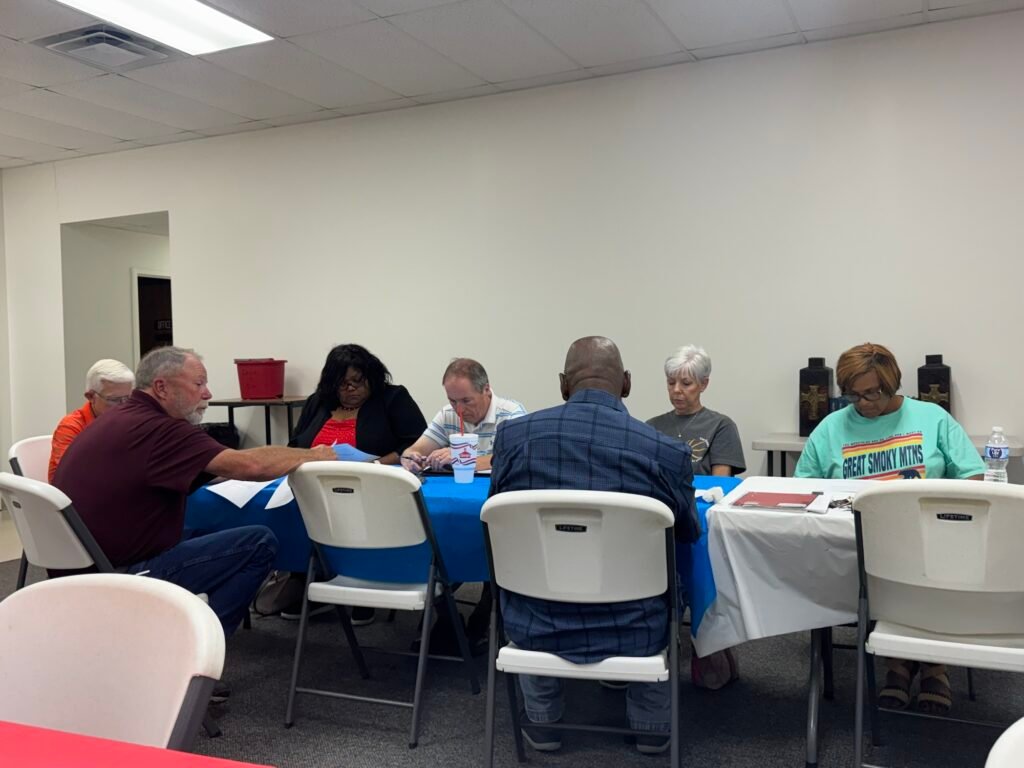
He warned his fellow Aldermen and attendees at Trezevant’s town meeting Tuesday night, August 11, that data centers are coming to West Tennessee, and most small towns have no ordinances to address them. Trezevant is no exception, he said.
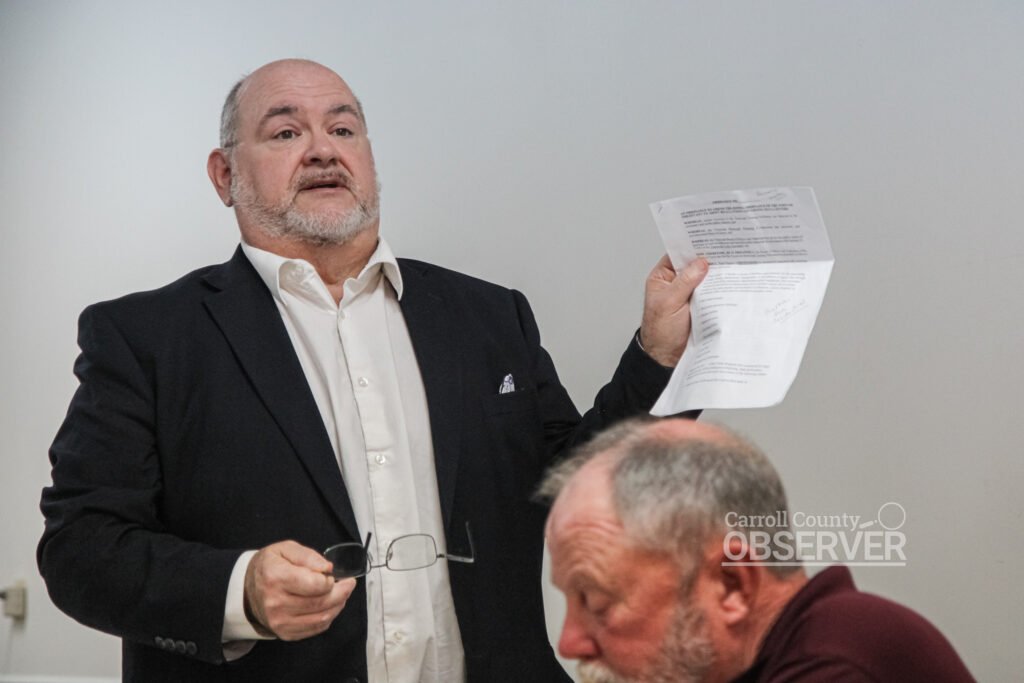
“We’re not alone,” he told the board. “Hardly any town in West Tennessee has its infrastructure prepared for something like this. Humboldt found that out.”
The story of what happened in Humboldt has become something of a cautionary tale in planning circles across the region. A data center moved in under the town’s existing industrial zoning — legally, because no specific regulations existed — and by the time the public found out, it was already built.
Community planner Donny Bunton, who works with multiple West Tennessee municipalities, was at the Trezevant Planning Commission’s August 6 meeting to discuss data center legislation.
“I realized that none of the towns I work with have any regulations to address data centers,” Bunton told the commission. “If you don’t do something, you’re just sitting there with only your setbacks in your industrial district, and that’s it.”
Bunton has drafted a model ordinance. At the time of this publication, only one town has taken steps to adopt it.
Its purpose is to define data centers and impose various requirements, including minimum acreage, buffer zones, utility impact studies, and more.
The water concern came up almost immediately in both meetings.
“I know we’re concerned with just having water to service our community right now,” Dieringer said Tuesday. “Let alone what a data center would pull from a town such as Trezevant.”
According to Bunton, the data center that came to Humboldt uses roughly the same amount of water as a car wash. Larger data centers, he said, are another matter entirely.
The size question is part of what makes the issue difficult to get ahead of. Dieringer said data centers can range from mobile trailers that move in overnight to warehouses five football fields long. He described attending a national conference in Salt Lake City where the debate over massive facilities in the high desert was already well underway.
“They’re all different shapes and sizes,” he said. “But the same effects occur.”
Those effects, mostly noise pollution, power grid strain, and water usage have not been thoroughly studied, Dieringer noted. The technology is too new.
“There’s been no environmental studies done on it,” he said. “They do know of the draw on the water supply and the power grid, and that’s massive.”
He also warned the board not to be swayed by economic pitches from data center companies, which he said can be persuasive.
“They will be very slick about coming in and trying to recruit people,” Dieringer said. “They’ll tell people this will be the greatest thing. But there’s a cost with anything.”
One thing data centers do not bring, he said, is significant employment. Even the largest facilities typically employ only 15 to 20 full-time engineers once construction is complete.
Carroll County’s Commission took action Monday night, voting to place a one-year moratorium on data centers for unincorporated county property. But Dieringer made clear that moratorium offers no protection to Trezevant.
“That doesn’t protect our town,” he said. “We’re on our own. We’re on our own.”
The Planning Commission is continuing to work on a draft ordinance with Bunton’s guidance, and Dieringer urged the board to move as quickly as possible, even if the first version isn’t perfect.
“We can always go back and amend an ordinance,” he said. “But you can’t put one on if somebody walks in and starts buying up property. It’s coming, guys. The snowball is rolling down the mountain.”

Comments 1